
Wrongful Death Attorney
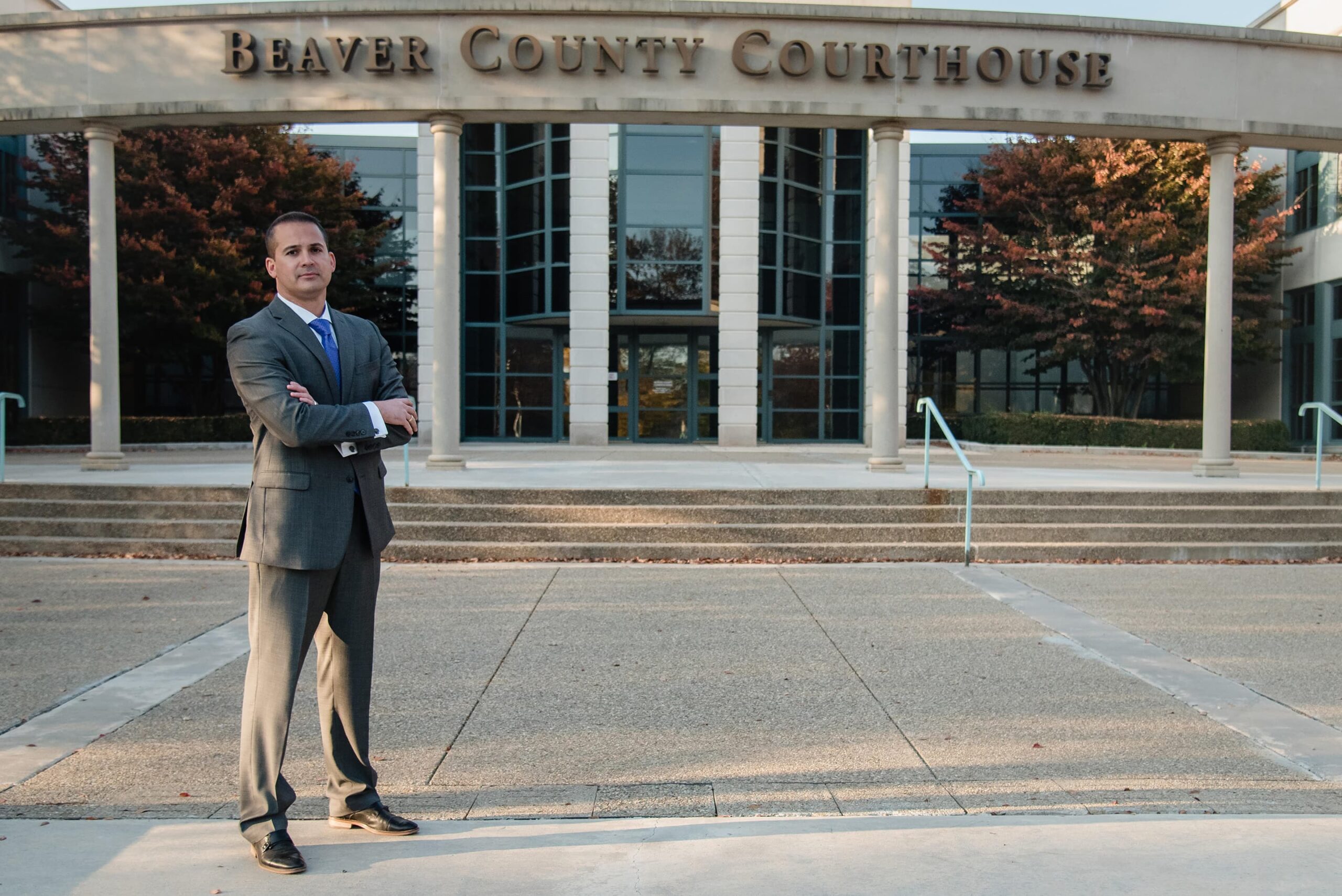
Beaver, Pennslyvania
Seek Justice and Compensation for the Loss of a Loved One
Losing a loved one is one of the most painful experiences anyone can endure. When that loss is caused by someone else’s negligence or wrongful actions, the devastation is even greater. At Valsamidis Law, our experienced wrongful death attorneys are here to help you seek justice and obtain the compensation your family deserves. We provide compassionate legal representation to guide you through this challenging time and ensure your rights are protected.
Understanding Wrongful Death Claims in Pennsylvania
A wrongful death occurs when a deceased person loses their life due to the negligent, reckless, or intentional actions of another party. Under Pennsylvania law, a wrongful death action is typically filed by the personal representative of the deceased’s estate on behalf of surviving family members, such as a surviving spouse, children, or parents.

Need Help?
Contact us at (724) 371-0590 to discuss your case.
Common Causes of Wrongful Death
Wrongful death cases can arise from a wide variety of situations, including:
- Vehicle Accidents: Fatalities resulting from car crashes, truck accidents, motorcycle accidents, and pedestrian incidents caused by negligent or reckless driving.
- Medical Malpractice: Deaths caused by surgical errors, misdiagnoses, improper treatment, or neglect in a healthcare setting.
- Workplace Accidents: Fatal injuries occurring on the job due to unsafe working conditions, defective machinery, or employer negligence.
- Premises Liability: Fatal accidents resulting from hazardous property conditions, such as slips, falls, inadequate security, or structural failures.
- Defective Products: Deaths caused by dangerous or malfunctioning products that fail to meet safety standards.
- Criminal Acts: Intentional acts of violence, such as homicide, that result in the death of another person.
Every wrongful death case is unique and requires a thorough investigation to establish liability and pursue the wrongful death claim effectively.

Types of Damages Recoverable in a Wrongful Death Claim
While nothing can truly replace the loss of a loved one, a successful wrongful death claim can provide financial relief and hold the responsible party accountable. The types of damages you may recover include:
- Medical Expenses: Costs associated with the deceased’s treatment prior to their death.
- Funeral and Burial Costs: Reasonable expenses related to funeral services and burial arrangements.
- Lost Income and Benefits: Compensation for the loss of a loved one’s financial support, including potential future earnings, benefits, and contributions to the household.
- Loss of Companionship: Emotional suffering and loss of guidance, comfort, and emotional support previously provided by the deceased.
- Pain and Suffering: Compensation for the mental anguish and emotional distress suffered by surviving family members.
- Punitive Damages: In cases of particularly reckless or intentional actions, punitive damages may be awarded to punish the responsible party and deter similar conduct.
Understanding the types of damages available in a wrongful death case can significantly impact your ability to recover fair compensation.
Why You Need a Wrongful Death Attorney
Navigating the complexities of a wrongful death lawsuit can be overwhelming, especially when you are grieving the death of a loved one. Without experienced legal representation, you may face numerous challenges, including:
- Proving Liability: Demonstrating that another party’s negligence or intentional actions directly caused your loved one’s death.
- Dealing with Insurance Companies: Insurers often attempt to minimize payouts or deny valid claims altogether.
- Meeting Deadlines: Pennsylvania’s statute of limitations for wrongful death claims is typically two years from the date of death. Missing this deadline may prevent you from pursuing compensation.
- Accurately Valuing Your Claim: Calculating damages requires a comprehensive understanding of legal precedents and economic factors.
- Handling Complex Legal Procedures: Filing a wrongful death lawsuit involves meticulous preparation, negotiation, and potentially courtroom litigation.
Valsamidis Law is committed to providing compassionate, knowledgeable representation while fighting relentlessly for the justice your family deserves.
Our Approach to Wrongful Death Cases
At Valsamidis Law, we tailor our legal approach to meet the specific needs of each client. Our process includes:
- Listening to Your Story: Understanding the circumstances surrounding your personal injury claim and the profound impact of your loss.
- Conducting a Thorough Investigation: Gathering all relevant evidence, including accident reports, medical records, expert testimony, and witness statements.
- Developing a Strong Legal Strategy: Crafting a case aimed at pursuing maximum compensation for your family.
- Handling All Legal Matters: From filing claims to negotiating settlements and, if necessary, fighting for your rights in court.
Our mission is to support you through every step of the legal process while working tirelessly to secure the justice and compensation you deserve.
Take Action for Your Family’s Future
Call The Greek
If you have lost a loved one due to negligence, recklessness, or intentional harm, you deserve justice. Contact Valsamidis Law today to speak with a knowledgeable wrongful death attorney who will advocate for your rights and help you secure the compensation your family needs. We’re here to support you and pursue the justice your family deserves.
FAQs About Wrongful Death Cases
1. Who Can File a Wrongful Death Claim in Pennsylvania?
In Pennsylvania, a wrongful death claim can be filed by the personal representative of the deceased person’s estate. This is typically an executor or administrator appointed by the court. If no claim is filed within six months of the death, then surviving family members, such as the spouse, children, or parents, may pursue the claim directly. It’s essential to have legal guidance to determine who has the legal right to file a claim and how to proceed.
2. What Types of Damages Can Be Recovered in a Wrongful Death Claim?
Damages in a wrongful death claim generally fall into two categories: Economic and Non-Economic. Economic damages include medical expenses, funeral and burial costs, lost wages, and loss of future earnings. Non-Economic damages cover pain and suffering, loss of companionship, guidance, and emotional distress suffered by the surviving family members. In some cases, punitive damages may be awarded to punish reckless or malicious actions.
3. How Long Do I Have to File a Wrongful Death Lawsuit in Pennsylvania?
In Pennsylvania, the statute of limitations for filing a wrongful death lawsuit is generally two years from the date of the deceased person’s death. Failing to file within this timeframe can result in the loss of your right to pursue compensation. However, certain circumstances may alter this deadline, so consulting with an experienced wrongful death attorney as soon as possible is crucial.
4. What Evidence Is Needed to Prove a Wrongful Death Case?
To successfully pursue a wrongful death case, you must provide evidence proving the defendant's negligence, recklessness, or intentional misconduct caused the death. Common evidence includes medical records, accident reports, witness statements, expert testimony, and financial documentation showing the impact of the death of surviving family members. An experienced wrongful death lawyer can help gather and present this evidence effectively.
5. Can a Wrongful Death Claim Be Settled Outside of Court?
Yes, many wrongful death claims are resolved through settlements rather than going to trial. Settling outside of court can be a quicker and less stressful process for grieving families. However, it’s essential to ensure the settlement amount is fair and reflects the full extent of your losses. An experienced wrongful death attorney can negotiate on your behalf and ensure your rights are protected during settlement discussions.